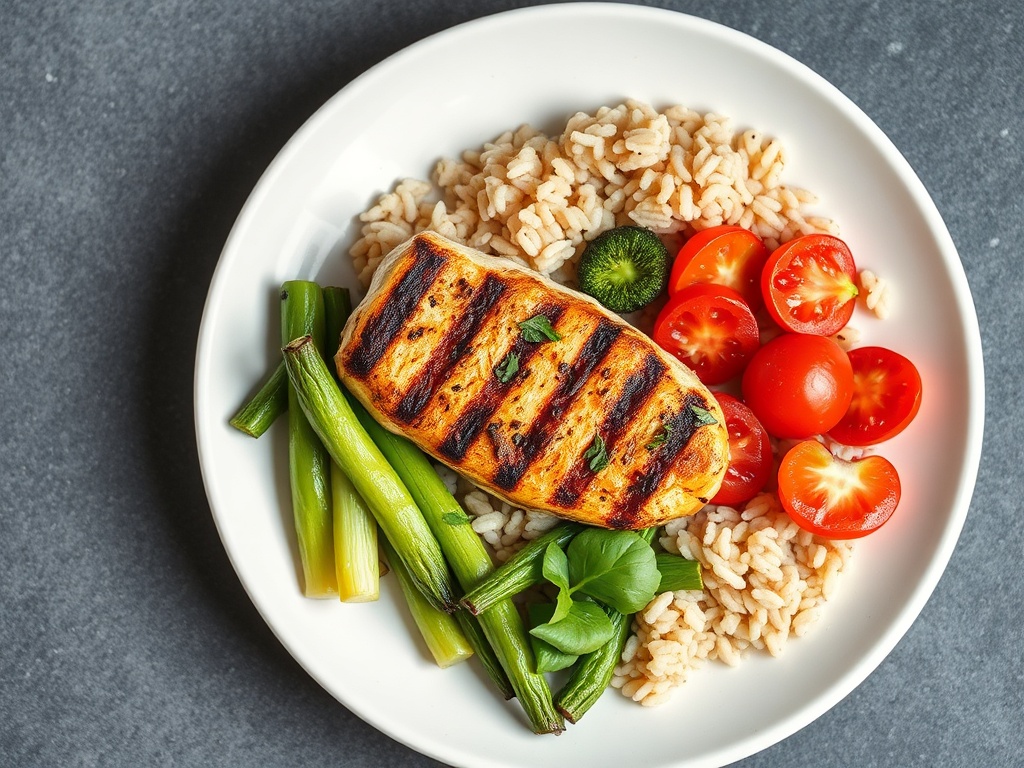
Expert Nutrition Tips for Men's Vitality, Energy, and Long-Term Wellness
Rooted in science-based nutrition strategies, our expert guidance focuses on optimizing men's health through balanced diet, proper supplementation, and lifestyle adjustments.


Proven Results
Nutrition Strategies to Boost Men's Energy and Health
Protein Optimization
Strategic protein intake supports muscle recovery, metabolic function, and sustained energy throughout your day for peak performance.
Testosterone Support
Targeted nutrients including zinc, magnesium, and vitamin D naturally enhance hormonal balance and support masculine vitality naturally.
Heart Health Nutrition
Omega-3 fatty acids and potassium-rich foods strengthen cardiovascular function, reduce inflammation, and improve overall circulatory health.
Digestive Wellness
Fiber-rich foods and probiotics enhance gut health, improve nutrient absorption, and support immune function and metabolic efficiency.
Weight Management
Balanced macronutrient distribution and caloric awareness help achieve healthy body composition while maintaining muscle mass and strength.
Energy & Stamina
Complex carbohydrates and B vitamins sustain energy levels, reduce fatigue, and enhance endurance for daily activities and workouts.
Sleep Optimization
Magnesium, melatonin-supporting foods, and evening nutrition timing improve sleep quality, recovery, and hormone regulation naturally.
Mental Performance
Omega-3s, antioxidants, and B-complex vitamins enhance cognitive function, focus, memory, and protect against age-related mental decline.
Blood Sugar Control
Stable glucose levels through whole grains, lean proteins, and fiber prevent energy crashes, mood swings, and metabolic complications.
Muscle Building
Strategic amino acid timing, creatine, and nutrient-dense whole foods maximize muscle growth, strength gains, and recovery efficiency.
Joint & Bone Health
Calcium, vitamin D, collagen, and anti-inflammatory foods strengthen skeletal structure, reduce pain, and support long-term mobility.
Immune Support
Vitamin C, zinc, and antioxidant-rich foods strengthen immune defenses, reduce illness frequency, and accelerate recovery from infection.
FAQs
Common Questions About Men's Nutrition
How much protein should men consume daily for muscle growth and recovery?
Daily protein intake depends on activity level and fitness goals. Generally, men benefit from 0.8 to 1 gram per pound of body weight. For muscle building, aim for 1 to 1.2 grams per pound when combined with resistance training. Distribute protein across four to five meals for optimal muscle protein synthesis. Quality sources include chicken, fish, eggs, Greek yogurt, legumes, and lean beef. Timing matters too—consuming protein within two hours after workouts enhances recovery and muscle adaptation.
What supplements are most beneficial for men's testosterone and hormonal balance?
Natural testosterone support comes from specific nutrients rather than synthetic supplements. Zinc, vitamin D, magnesium, and tribulus terrestris show promise in research. Ensure adequate vitamin D through sunlight exposure or supplementation, especially in winter months. Zinc-rich foods like oysters, beef, and pumpkin seeds support hormonal function. Sleep quality and stress reduction are equally important for natural hormone optimization. Always consult healthcare providers before starting supplements.
Can nutrition alone improve energy levels, or should exercise be added?
Nutrition and exercise work synergistically for optimal energy. A balanced diet provides fuel, but exercise enhances mitochondrial function and oxygen utilization. Complex carbohydrates before workouts and protein afterward support energy production. Iron, B vitamins, and magnesium prevent fatigue. Adequate hydration is crucial—even mild dehydration reduces energy. Combine nutrient-dense meals with regular physical activity for sustained vitality throughout your day and improved overall wellness.
What dietary changes can help improve cardiovascular health in men?
Heart health improves through reducing saturated fats, increasing fiber, and consuming omega-3 rich foods like salmon and sardines. Limit processed foods high in sodium and added sugars. Increase plant-based foods including berries, leafy greens, nuts, and seeds. Moderate alcohol consumption and maintain healthy weight through balanced nutrition and exercise. Potassium-rich foods lower blood pressure naturally. Reduce refined carbohydrates and focus on whole grains. Regular cardiovascular exercise combined with these dietary changes dramatically improves heart disease risk factors and longevity.

Get Your Personalized Nutrition Assessment Today
Over fifteen years helping men optimize health through science-backed nutrition guidance and sustainable lifestyle strategies.